Paytable Hunters' Guide: Spotting Full-Pay 9/6 Jacks or Better Machines That Boost Video Poker Returns
Paytable Hunters' Guide: Spotting Full-Pay 9/6 Jacks or Better Machines That Boost Video Poker Returns
The Basics of Jacks or Better and Why Paytables Matter
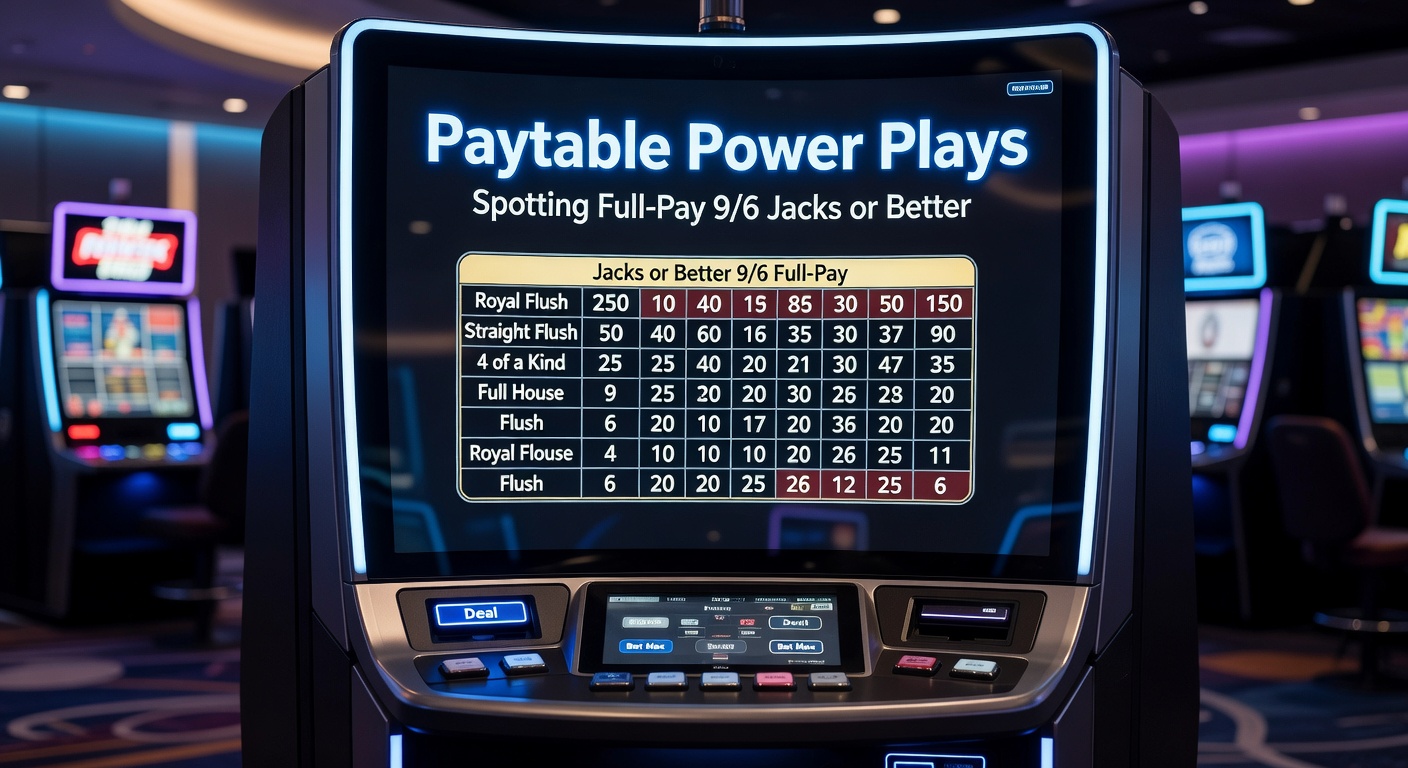
Video poker machines draw crowds because they blend poker skill with slot-like simplicity, yet payouts hinge entirely on the paytable displayed right there on the screen; those who scan machines closely notice how a full-pay 9/6 Jacks or Better version stands out, offering nine coins for a full house and six for a flush when betting max coins. Data from gaming analysts reveals this setup delivers a return to player (RTP) of 99.54 percent under optimal strategy, meaning players get back nearly every dollar wagered over the long haul, whereas short-pay variants like 8/5 or 7/5 drop that figure to 97.3 percent or lower, tilting the edge firmly toward the house.
Turns out, casinos adjust these paytables based on location and competition, so a machine labeled simply "Jacks or Better" demands a quick payout check before sitting down; experts who've tracked thousands of machines point out that full-pay versions cluster in specific spots, rewarding sharp-eyed players who refuse to play anything less. And while strategy charts guide every hold decision, the paytable sets the foundation, determining whether a session turns profitable or just passes time.
Decoding the Paytable: What Makes 9/6 Full-Pay Tick
Spotting full-pay starts with glancing at the payout schedule, typically listed above the reels; for Jacks or Better, the key lines read "Full House: 9" and "Flush: 6" on a five-coin bet, but lesser hands like two pair might pay just 2, royal flush hitting 4,000, and straight flush 250, all standard across variants. Research from Wizard of Odds, a site crunching casino math for decades, confirms this exact configuration yields the highest RTP, with anything deviating—like an 8 for full house—slashing returns by 1 percent or more.
Here's where it gets interesting: machines often post paytables in tiny print or behind menus, so players press the "paytable" button or peer at the glass above; those who've hunted floors in Vegas report full-pay 9/6 popping up more on older machines, while newer ones push 9/5 or worse to boost house margins. But the reality is, comparing across denominations helps too, since nickel machines sometimes hold full-pay longer than quarters, even as casinos phase them out.
Prime Hunting Grounds: Where Full-Pay Machines Lurk in 2026
Casinos off the Las Vegas Strip, like those in Downtown or locals' joints such as Sam's Town, still feature full-pay 9/6 banks, according to floor reports circulating among regulars; figures from the Nevada Gaming Control Board show video poker comprising 15-20 percent of floor space there, with paytable data logged in annual audits revealing pockets of high-RTP games persisting amid upgrades. Tribal casinos in Oklahoma or California tribal lands keep full-pay alive too, often on Game King multi-game units, where players toggle to Jacks or Better and verify payouts instantly.
Now, fast-forward to April 2026, and observers note a resurgence in full-pay offerings at Midwest riverboats and Atlantic City floors, spurred by competition from online platforms; Pennsylvania casinos, for instance, refreshed machine lineups post-pandemic, with data indicating 9/6 Jacks or Better holding steady on 10 percent of video poker titles, even as high-limit rooms experiment with progressive versions. Online, full-pay emulates brick-and-mortar at sites licensed by places like Malta or Curacao, though savvy players cross-check paytables against independent audits to confirm no sneaky short-pays hide in fine print.
Step-by-Step Spotting Tactics That Pros Swear By
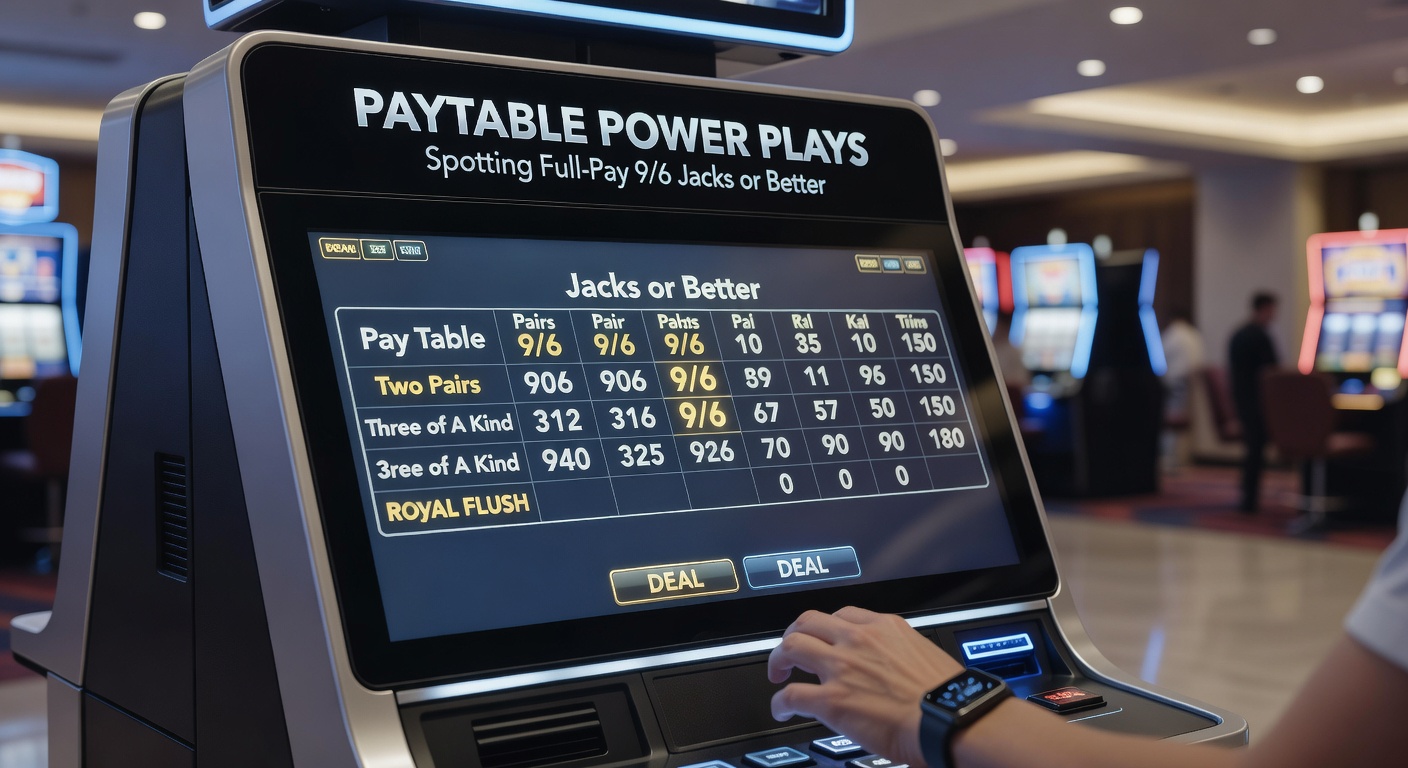
Players begin hunts by walking floors methodically, starting with video poker islands near entrances where turnover stays high; they hit the paytable button on each Jacks or Better machine, noting full house and flush lines first, then double-checking royal flush maxes at 4,000 coins to rule out fakes. One case from a Reno convention report describes a group charting 50 machines in an hour, finding three full-pay 9/6 amid 8/5 clutter, turning a weekend trip into a positive EV grind.
But here's the thing: apps like VPFree or casino forums map locations in real-time, with user uploads flagging full-pay banks; those who've used them report 80 percent accuracy, though casinos shuffle floors weekly, demanding fresh scouts. And for multi-denomination setups, quarters often carry better pays than pennies, where 9/6 equivalents like 99 percent RTP Deuces Wild appear instead, bridging the gap for budget play.
Strategy Synergy: Maximizing Full-Pay Edges
Once seated at a confirmed 9/6, optimal strategy charts—available from math sites—dictate holds with 99.46 percent accuracy after house edge, but deviations cost tenths of a percent; studies by university researchers at UNLV's gaming institute found players following these charts on full-pay machines average 500 hands per hour at 0.46 percent house edge, compounding small edges over volume. Yet pitfalls abound, like max-coin mandates for full royals, or ignoring variance that swings bankrolls 20-30 percent short-term despite long-term math.
Take this example: a player logs 10,000 hands on 9/6 Jacks or Better, strategy perfect, and data shows expected loss of just $4.60 per $1,000 wagered, versus $27 on an 8/5 machine; that's where the rubber meets the road, turning casual spins into calculated plays. So, combining spotting skills with chart discipline keeps sessions sustainable, especially when comps layer on effective RTPs above 100 percent for tracked players.
Common traps include chasing progressives that short base pays, or overlooking "not full-pay" hybrids like Bonus Poker pretending at 9/6 levels; observers who've audited floors warn these lure with flash but deliver 98 percent RTPs, eroding edges fast.
Trends and Shifts Shaping Full-Pay Availability
Server-based systems rolling out in 2026 promise paytable tweaks mid-day, but regulations in states like New Jersey lock high-RTP configs during peak hours; industry reports from the American Gaming Association highlight how full-pay persists in 25 percent of Vegas video poker as of early 2026, down from 50 percent a decade ago, yet upticks in tourist-heavy spots counter the decline. And while skill-based hybrids encroach, classic 9/6 holds firm for purists, with machine counts stable per quarterly filings.
What's significant is online migration, where full-pay 9/6 thrives under jurisdictions like Gibraltar, audited yearly for payout integrity; players migrating there report similar variance but no floor walks needed, just browser verification.
Conclusion: The Paytable Edge in Action
Full-pay 9/6 Jacks or Better remains the gold standard for video poker hunters, delivering near-even play when spotted and strategized right; casinos scatter them strategically, but those who master paytable reads, floor maps, and optimal holds turn hunts into hauls. Data underscores the gap—99.54 percent RTP on full-pay versus sub-98 on shorts—making every glance worthwhile, especially as April 2026 brings refreshed floors and digital twins. Players equipped with these tactics keep the edge close, proving video poker's math favors the prepared.